What is WHO-GMP? Global Standards for Pharmaceutical Manufacturing & Public Health
WHO-GMP (World Health Organization - Good Manufacturing Practices) refers to the set of guidelines and quality standards established by the World Health Organization to ensure that pharmaceutical products are consistently produced and controlled to meet quality standards appropriate for their intended use. WHO-GMP focuses on safeguarding public health by promoting high-quality manufacturing processes globally, especially in countries where regulatory frameworks are still developing.
Global Pharmaceutical Quality & Public Health Protection
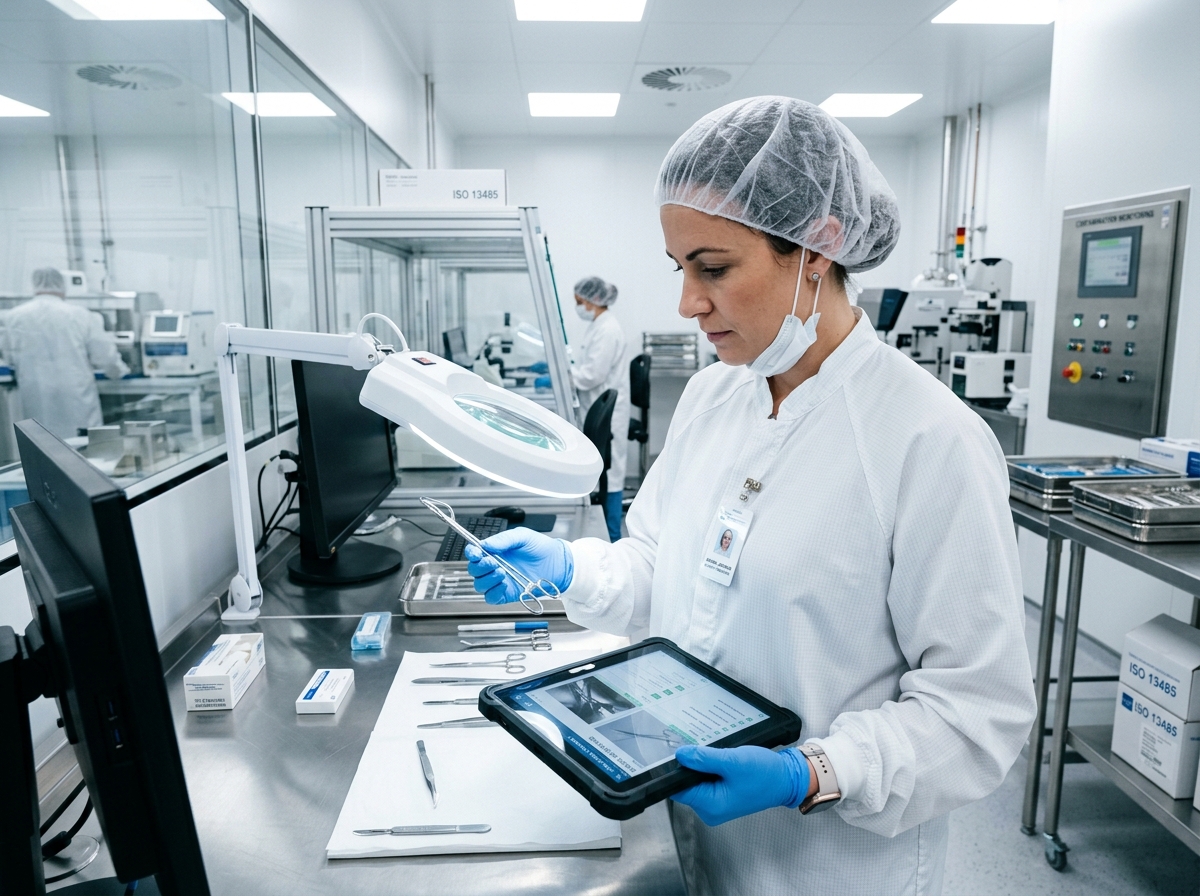
WHO-GMP establishes internationally benchmarked manufacturing criteria for premises, hygiene, sterile processing, quality control testing, and documentation to guarantee medicine safety, prevent hazardous batch deviations, and protect patients globally.
WHO-GMP Certified
World Health Organization StandardsKey Objectives of WHO-GMP
Rigorous international manufacturing benchmarks structured to ensure sterile, effective medicines:
Ensure Safety, Quality, and Efficacy of Medicines
Guarantee that medicines are manufactured under hygienic and controlled conditions.
Standardize Manufacturing Practices Globally
Provide harmonized guidelines adaptable for manufacturers worldwide.
Prevent Contamination and Errors
Minimize risks during manufacturing to avoid defective or unsafe products.
Support Regulatory Compliance and Public Health
Aid countries and manufacturers in meeting international standards for pharmaceutical production.
Benefits of WHO-GMP Certification
Tangible clinical, commercial, and regulatory excellence:
Enhanced Quality Assurance
Ensures pharmaceutical products meet international quality standards.
Facilitates Access to Global Markets
Supports export and import by complying with WHO-recognized guidelines.
Improved Patient Safety
Reduces risks related to substandard or counterfeit medicines.
Supports Regulatory Approvals
Helps manufacturers meet requirements of WHO and many national regulatory authorities.
Strengthened Manufacturing Processes
Promotes efficiency and reliability in pharmaceutical production.
Scope of WHO-GMP Guidelines
Rigorous quality control requirements spanning the full pharmaceutical production chain:
Premises & Equipment
Premises and equipment requirements.
Sanitation & Hygiene
Sanitation and hygiene practices.
Documentation & Records
Documentation and record-keeping.
QC & QA Systems
Quality control and quality assurance systems.
Personnel & Training
Personnel qualifications and training.
Production & In-Process
Production processes and in-process controls.
Materials & Storage
Handling of materials and product storage.
Validation & Qualification
Validation and qualification procedures.
Who Should Follow WHO-GMP?
Essential across pharmaceutical manufacturing, biotechnology, and health oversight bodies:
Pharmaceutical Manufacturers
Finished formulation pharmaceutical manufacturers producing tablets, capsules, injectables, and syrups.
Vaccine Producers
Biological and vaccine production facilities adhering to ultra-sterile containment protocols.
API Manufacturers
Active Pharmaceutical Ingredient (API) manufacturers and bulk chemical producers.
Contract Manufacturing Organizations (CMOs)
Third-party contract manufacturing organizations delivering compliant outsourced production.
National Regulatory Authorities
National Regulatory Authorities implementing GMP frameworks and national drug oversight.
Conclusion: Ensure Global Compliance and Public Health with WHO-GMP
Adhering to WHO-GMP guidelines demonstrates your organization’s commitment to high-quality pharmaceutical manufacturing that protects patient health and meets international standards. It is essential for ensuring safe, effective, and reliable medicines worldwide.
