What is HACCP? Hazard Analysis and Critical Control Points
HACCP (Hazard Analysis and Critical Control Points) is an internationally recognized systematic preventive approach to food safety. It identifies, evaluates, and controls hazards throughout the food production process—from raw material sourcing to manufacturing, distribution, and consumption—to ensure safe food products.
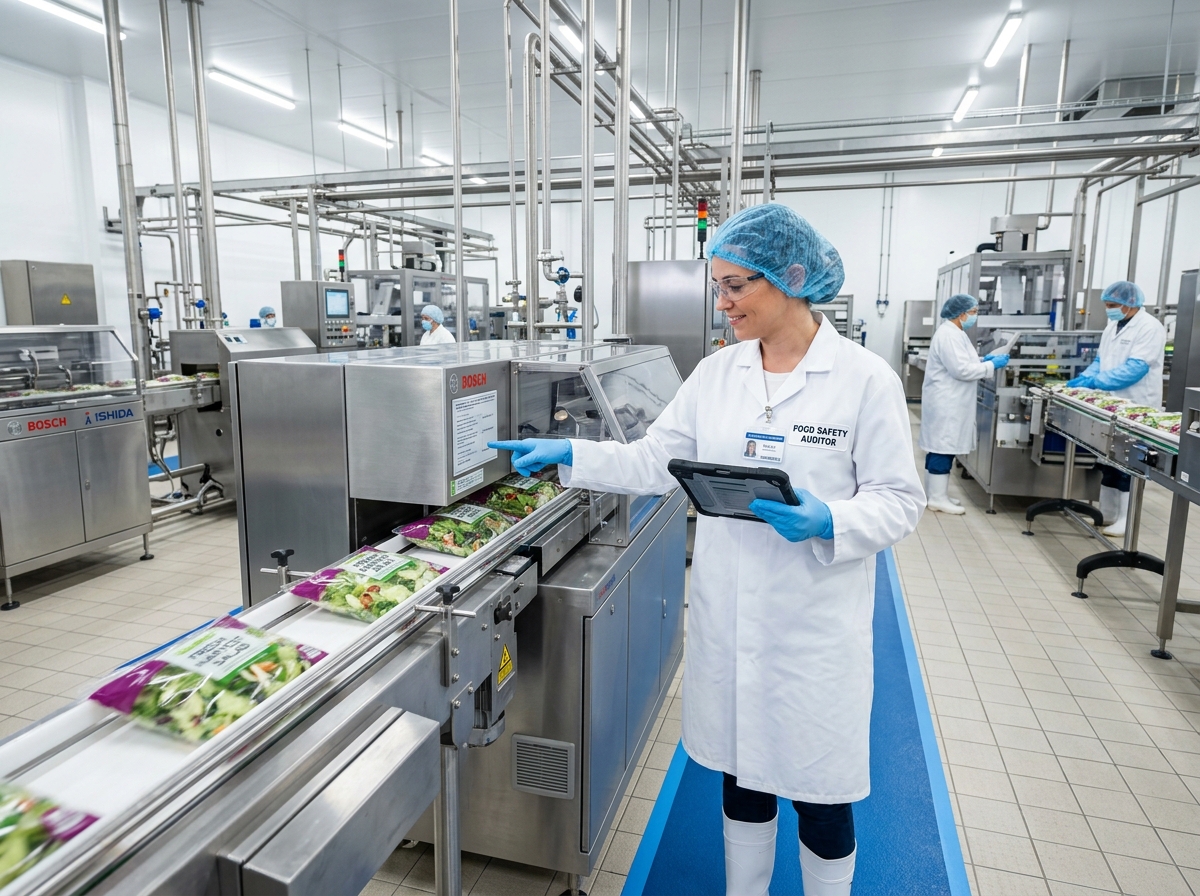
Preventive Food Safety Architecture & Critical Control Points (CCPs)
Unlike traditional end-product testing, HACCP provides a proactive, science-based approach that identifies vulnerabilities, establishes critical limits, and institutes continuous real-time monitoring across all stages of food handling.
HACCP Certified
Hazard Analysis Critical Control PointKey Objectives of HACCP
Systematic safety principles structured to eliminate foodborne risks:
Identify Potential Food Safety Hazards
Analyze biological, chemical, and physical risks that could contaminate food.
Establish Critical Control Points (CCPs)
Determine key stages where controls can prevent or eliminate hazards.
Implement Preventive Measures
Develop monitoring procedures and corrective actions to manage risks.
Ensure Compliance with Food Safety Regulations
Meet legal and industry standards for food safety management.
Benefits of HACCP
Direct operational, quality, regulatory, and commercial benefits of implementing HACCP:
Improved Food Safety & Quality
Reduces risks of foodborne illnesses and contamination.
Regulatory Compliance
Aligns with international food safety standards and legal requirements.
Enhanced Consumer Confidence
Demonstrates commitment to producing safe, high-quality food.
Reduced Product Recalls and Waste
Proactively manages hazards to minimize costly issues.
Streamlined Food Safety Management
Provides a structured framework for continuous monitoring and improvement.
Scope of HACCP
Comprehensive operational areas governed by HACCP food safety protocols:
Food Manufacturing and Processing
Food manufacturing and processing.
Food Storage and Distribution
Food storage and distribution.
Catering and Food Service Operations
Catering and food service operations.
Packaging and Labeling of Food Products
Packaging and labeling of food products.
Who Should Implement HACCP?
Organizations across all segments of the global farm-to-fork supply chain:
Food Manufacturers and Processors
Food manufacturers and processors.
Restaurants and Catering Services
Restaurants and catering services.
Food Distributors and Retailers
Food distributors and retailers.
Food Supply Chain Organizations
Any organization involved in the food supply chain.
Ensure Safe Food Production with HACCP
Implementing HACCP is essential for safeguarding public health, meeting regulatory demands, and maintaining the highest standards of food safety throughout your production process.
