ISO 8100-1:2019 Design, Construction & Installation Requirements for Elevators
ISO 8100-1:2019 is the international standard that specifies the design, construction, and performance requirements for elevators (lifts) and escalators. Specifically, Part 1 of this standard addresses the requirements for the construction and installation of elevators in both residential and commercial buildings.
What is ISO 8100-1:2019?
This standard ensures that elevators meet strict safety, reliability, and performance criteria for efficient operation, occupant protection, and operational longevity. ISO 8100-1:2019 is particularly valuable for elevator manufacturers, contractors, and building owners who wish to meet high-quality safety and operational standards.
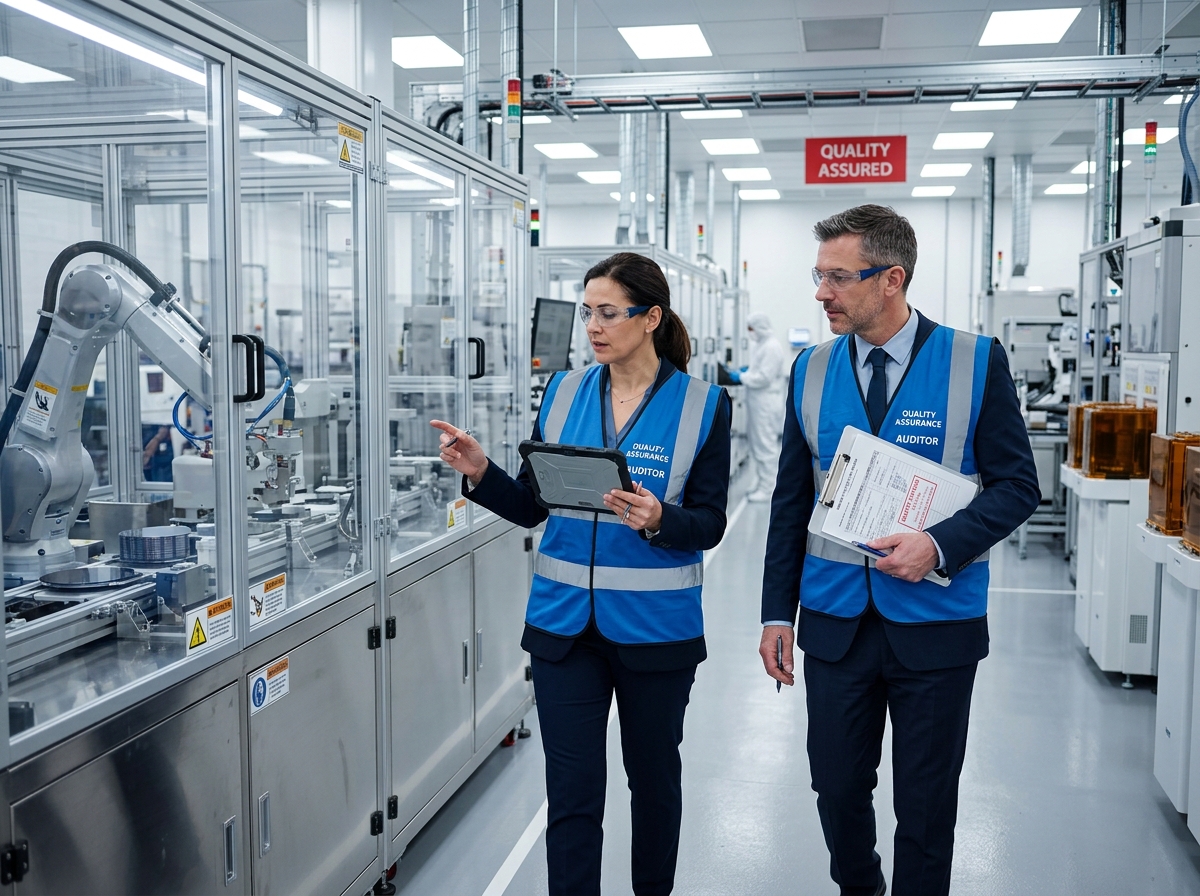

ISO 8100-1:2019
Quality Mark Accredited Lift Safety AuditsKey Objectives of ISO 8100-1:2019
Setting international benchmarks for passenger safety, architectural compatibility, and engineering performance:
Ensure Safety
Establishes comprehensive safety measures to protect users during operation and in the event of emergencies.
Standardize Design and Installation
Defines clear criteria for the construction, design, and installation of elevators, ensuring compatibility and ease of use.
Enhance Performance
Sets performance metrics for efficiency, speed, load capacity, and durability of elevators.
Promote Global Compliance
Facilitates international harmonization of elevator standards, enabling easier market access and certification.
Core Areas Covered by ISO 8100-1:2019
A comprehensive framework governing every phase of elevator engineering and operation:
General Design and Construction
Structural Integrity & Load Capability- Structural requirements for car frames, shafts, and guides
- Material standards for high-stress components
- Load-bearing capabilities and rated capacity safety margins
Safety Measures and Features
Passenger Protection & Emergency Systems- Emergency braking systems and overspeed governors
- Door mechanisms and automated obstruction reversal
- Safety alarms and two-way emergency communication systems
Operational Efficiency
Energy & Ride Performance- Energy consumption optimization and standby efficiency
- Smooth and reliable operation with minimal vibration
- Speed and capacity specifications matching building traffic
Installation and Testing
Commissioning & Code Compliance- Compliance with building codes and architectural interfaces
- Performance tests under full rated load and overspeed
- Post-installation checks and sign-off verification
Benefits of ISO 8100-1:2019 Compliance
Elevating passenger protection, building value, and global market eligibility:
Improved Safety and Reliability
Reduces the risk of malfunctions and accidents through well-defined safety protocols and construction requirements.
Enhanced Building Accessibility
Elevators that meet ISO 8100-1 provide safe, reliable access for users with mobility impairments, enhancing overall accessibility.
Global Recognition
ISO 8100-1:2019 is recognized worldwide, ensuring that elevators meet universally accepted standards for safety and performance.
Regulatory Compliance
Meeting ISO standards helps organizations comply with national and international regulations for building and construction.
Customer Trust and Confidence
Elevators built to ISO 8100-1 standards are seen as high-quality, trustworthy, and safe, improving brand reputation.
Key Requirements in ISO 8100-1:2019
Mandatory technical and operational criteria mandated throughout the elevator lifecycle:
Construction
Detailed specifications for the physical design of the elevator system, including dimensions, materials, and load ratings.
Safety Features
Mandates essential safety systems such as emergency stop devices, fire resistance, overloading protection, and emergency communication systems.
Performance Testing
Requirements for performance testing during installation and regular inspections to ensure the elevator meets operational standards.
Maintenance & Inspection
Guidelines for periodic inspections, maintenance, and repairs to maintain safety and performance throughout the life of the elevator.
Who Should Use ISO 8100-1:2019?
Critical across the entire building lifecycle, engineering, and regulatory inspection chains:
Elevator Manufacturers
Ensure that your products meet the highest standards of design, construction, and safety.
Building Owners & Developers
Guarantee that elevators in new or existing buildings comply with international safety and performance requirements.
Contractors & Installers
Help ensure that your installations are safe, efficient, and compliant with global standards.
Regulatory & Certification Bodies
Use ISO 8100-1:2019 as a reference for certifying elevator systems and ensuring they meet regulatory standards.
Conclusion: Excellence in Elevator Design and Safety
ISO 8100-1:2019 is a cornerstone for ensuring that elevators are not only safe but also efficient and reliable. Compliance with this standard ensures that both new and existing elevator systems perform optimally while safeguarding users, reducing operational costs, and meeting legal and regulatory obligations.
By following ISO 8100-1, manufacturers, building owners, and installers contribute to a safer, more efficient built environment—where reliability and safety are always a top priority.
Ready to Achieve ISO 8100-1:2019 Elevator Certification?
Partner with our accredited engineering auditors to certify lift safety, design integrity, and international building compliance.