ATEX Certification Equipment for Potentially Explosive Atmospheres
ATEX Certification ensures that equipment and protective systems intended for use in potentially explosive atmospheres (also known as “ATmosphères EXplosibles”) meet the essential health and safety requirements of the European Union (EU). It is mandatory for products used in hazardous areas, such as those involving flammable gases, vapors, or combustible dusts.
ATEX is Governed by Two Key EU Directives
ATEX 2014/34/EU
For manufacturers of equipment and protective systems.
ATEX 1999/92/EC
For employers operating in explosive atmospheres.
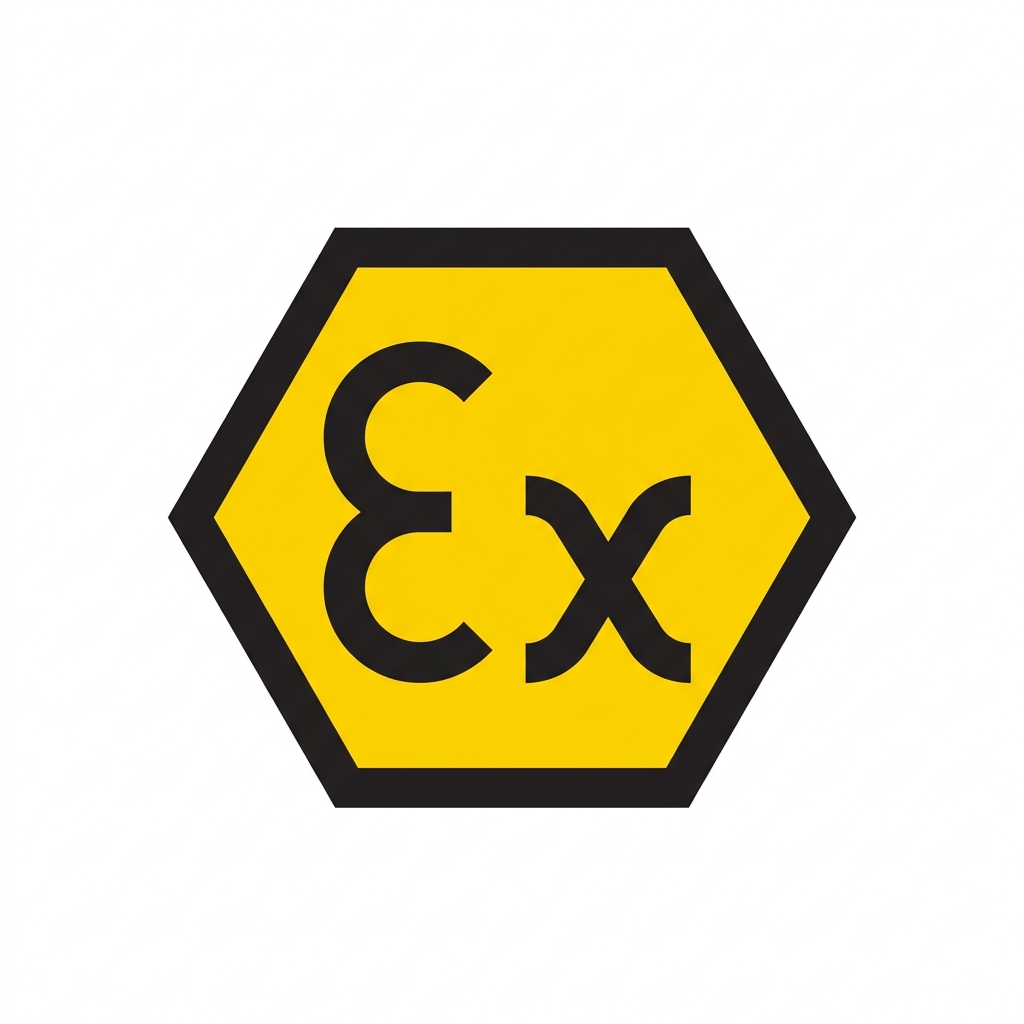
ATEX Ex Certified
Explosive Atmospheres EU Conformity AssessmentKey Objectives of ATEX Certification
Directives and benchmarks designed to guarantee explosion prevention and operational safety:
Prevent Explosions in Hazardous Environments
Ensure equipment does not become an ignition source in explosive atmospheres.
Protect Worker and Site Safety
Reduce the risk of workplace accidents and equipment failures.
Ensure Compliance with EU Regulations
Legally required for selling or using such equipment in the European Economic Area (EEA).
Standardize Safety Across Industries
Provide a uniform framework for evaluating and certifying explosion-proof equipment.
Benefits of ATEX Certification
Unlocking commercial, regulatory, and safety value across hazardous operating environments:
Legal Market Access in Europe
Mandatory for placing explosion-protected equipment on the EU market.
Enhanced Safety and Risk Reduction
Reduces likelihood of fires, explosions, and equipment damage.
Increased Customer & Stakeholder Confidence
Assures buyers of product reliability and safety in hazardous areas.
International Recognition
Often aligns with other global standards like IECEx, easing global trade.
Supports Regulatory Compliance for Operators
Essential for industries like oil & gas, chemicals, mining, pharmaceuticals, and food processing.
Scope of ATEX Certification
ATEX covers equipment, safety systems, and categorized operational zones:
Electrical & Non-Electrical Equipment
Electrical and non-electrical equipment used in explosive atmospheres.
Protective Systems & Components
Protective systems and components designed to prevent or limit explosions.
Controls, Lighting & Motors
Control panels, lighting, sensors, motors, pumps, and more.
Hazardous Area Zones
Equipment used in Zone 0, Zone 1, Zone 2 (gases) and Zone 20, 21, 22 (dusts).
Who Needs ATEX Certification?
Duty holders, equipment providers, and high-risk operational facilities:
Equipment Manufacturers
Manufacturers of electrical and mechanical equipment for hazardous areas.
Importers & Distributors
Importers and distributors selling into the EU.
Facility Operators
Operators of facilities with explosive atmospheres (for ATEX workplace directive compliance).
Industries Requiring ATEX Certification
Operational environments subject to flammable vapors, hazardous chemicals, and airborne combustible dusts:
Oil & Gas
Chemical & Petrochemical
Mining
Paint & Coating
Pharmaceutical
Grain Handling & Milling
Ensure Explosion Safety with ATEX Certification
ATEX Certification is essential for any organization manufacturing or using equipment in potentially explosive environments. It ensures legal compliance, enhances workplace safety, and provides assurance to customers and regulators that your products meet the highest safety standards in the EU.
